A stroll in Oxford Botanic Garden makes us realise it somehow all comes down to culture and history in the end. This time: the role of powerful phycisians and ladies of the manor in the use of medicinal plants. And … the act of a rebellious herbalist.
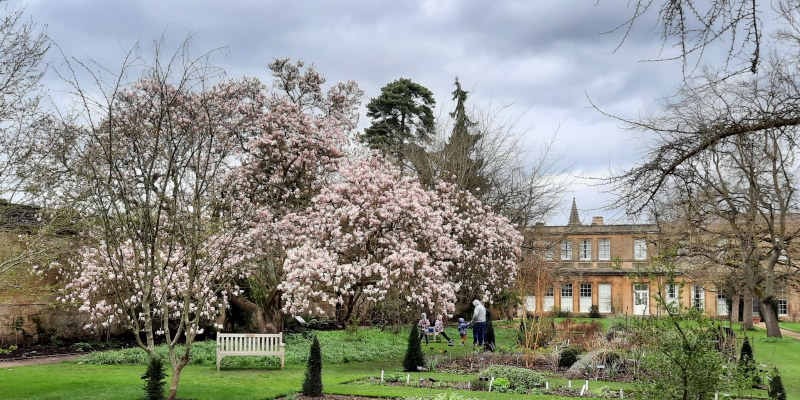
The Medicinal Plants Collection can be found on the western side of the Walled Garden. We time travel to the Middle Ages and the 17th century there! Pictured above this blog are the Japan and Medicinal Plants Borders, with the flowering Magnolia x Soulangeana showing off on a March day.
Ladies of the manor
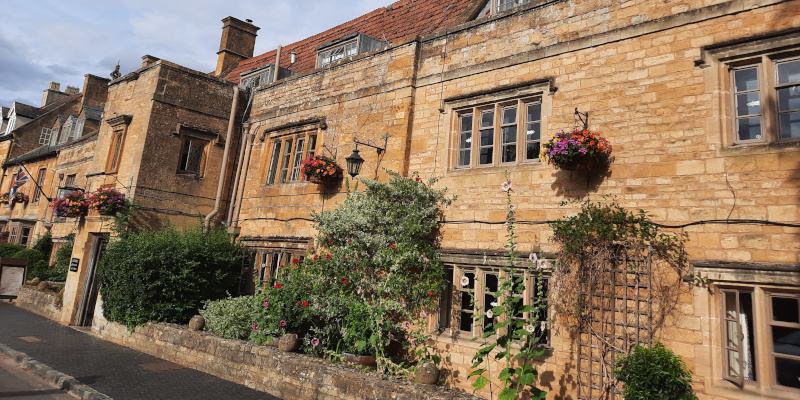
In the European Middle Ages, medicinal plants were not only grown in physic gardens, but also in manor gardens. The ladies of the manor knew a lot about medicinal functions of plants.
Manorialism
The manor was the administrative centre of the feudal estate. Manorialism was a political, economic, and social system by which the peasants of medieval Europe were rendered dependent on their land and on their lord.
The manor house was the dwelling of the lord or his residential minor court official. They were men. The importance of the ladies of the house, however, can not be understated. For one, they ruled the houses and estates during their husbands’ many travels.
Healing women
The plant knowledge of the lady of the manor was essential for the wellbeing of the whole household, including servants. These ladies may have been healers for the community. Such educated women read herbals and corresponded with London physicians with whom they shared recipes.
Some medicinal plant species mentioned here in Oxford are salad burnet (Sanguisorba minor) and motherwort (Leonurus cardiaca).
King and physicians
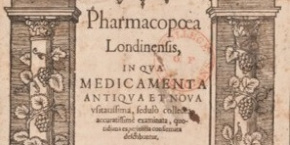
There’s also a bed in Oxford Botanic Garden where we see 17th century medicinal plants. They all appear in an important old book: Pharmacopoeia Londinensis.
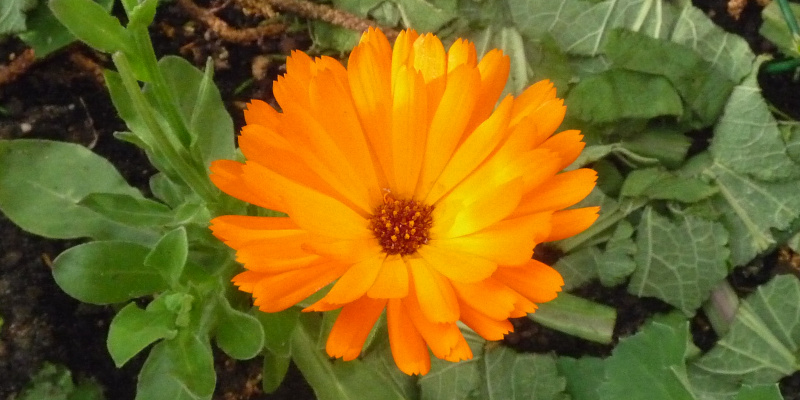
Some examples of the medicinal plants from the Pharmacopoeia Londinensis of 1618 are greater knap weed (Centaurea scabiosa), province rose (Rosa gallica), fleabane (Erigeron), juniper (Juniperus) and field poppy (Papaver rhoeas). You can find them all in Oxford Botanic Garden.
In 1618, which was around the time this garden was founded, this Pharmacopoeia Londinensis was published by the Royal College of Physicians. And it soon became an instrument of power.
Royal proclamation
No one was allowed to sell anything that was not in the Pharmacopoeia Londinensis. A royal proclamation of James VI Scotland / I England commanded ‘all Apothecaries of this Realme to follow the dispensatory’ compiled by the physicians. This gave physicians control over the apothecaries, who they considered a threat. Furthermore, the book was written in Latin, and thus hardly accessible for ordinary people.
Physicians vs apothecaries
The physicians were a small, elite group. They treated the wealthy and powerful.
Apothecaries attended to the ailments of the populace. Although not university educated, the apothecaries were professionals. They were knowledgeable in the practice of medicine, larger in number than the physicians, available to everyone and much less expensive.
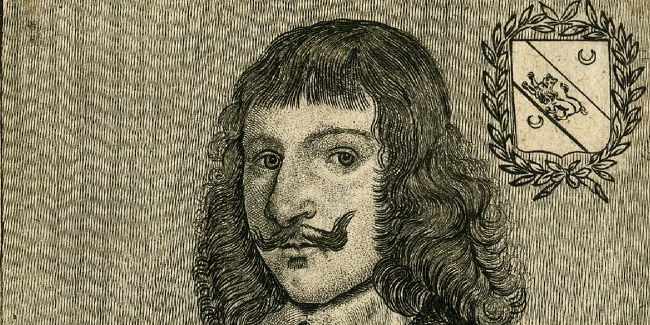
Nicholas Culpeper (1616-1654) was a man known for his vices as much as for his virtues. He had many enemies, smoked plenty of tobacco, and drank.
He was an audacious character who held a strong dislike for the establishment and authority.
The people’s herbalist
What happened several decades after publication of the Pharmacopoeia Londinensis? In 1649, the English herbalist, apothecary and astrologer, Nicholas Culpeper, translated the book into English. He added the description of the uses of different preparations. The English book, the British Pharmacopoeia, was accessible for anyone who could read. This outraged the physicians. Culpeper was remembered to this day as ‘the people’s herbalist’.
And how about that powerful Latin book?
The Latin Pharmacopoeia Londinensis ran to 9 editions. It remained a definitive guide for prescribing until 1864. It was then replaced by a British one, which was one of the first attempts to harmonise pharmaceutical standards, through the merger of the London, Edinburgh and Dublin Pharmacopoeia.
Notice
On the day of our visit, the sounds of Oxford Botanical Garden were overwhelming. The garden maintenance team had chosen this precise moment to produce a lot of noise.
No doubt, their machines did necessary work. However, unlike the production teams of Morse, Endeavor, and other famous TV detective series shot in this old city, your Discutafel podcaster was not in the position to clear the streets and gardens of unwanted stimuli. So we ended up with podcast recordings we eventually had to lay aside.
Therefore, we take you on a very silent stroll through the garden by publishing these blogs. Please note, we describe here the situation during our visit in March 2024. We refer to the garden’s website for updates.
How to get there
Oxford Botanic Garden can easily be reached by train. It’s entrance is on High Street, just a 20 minutes walk from the station. That is, when you’re not distracted by the beautiful shops and historic buildings in the city!
Links
- Pharmacopoeia Londondinensis (Royal College of Physicians)
- British Pharmacopoeia (Medicins & Healthcare products regulatory Agency)
- The Life and Works of Nicholas Culpeper (Brian Oldwolf)
- Nicholas Culpeper and his herbal (Kew)
- Nicholas Culpeper (Science Museum Group)
- Not just the Tudors podcast episode 14 July, 2025: Nicholas Culpeper: Herbalist and Radical
- More Discutafel blogs about Oxford Botanic Garden